
The Oxford Philosophy, Law, and Politics (PLP) Colloquium is an interdisciplinary series that brings together scholars from philosophy, law, politics, and related fields to discuss works in progress by distinguished researchers.
In the 2026–27 academic year, the Colloquium will take a new direction. Reflecting the growing importance of artificial intelligence across all domains of inquiry, the series will focus on cutting-edge AI research of significance for philosophy, law, and politics. Our speakers will be drawn from Oxford and London institutions and will include leading researchers from psychology and neuroscience, philosophy, computer science, and engineering.
The series is cheekily entitled What Philosophers, Lawyers, and Political Theorists Should Know About AI Research. Its aim is to bring scholars working on the technical frontiers of AI into conversation with members of the PLP community. We invite you to come and learn about the AI research being conducted by our Oxford and London colleagues that bears directly on questions of philosophical, legal, and political importance.
Each session will consist of a 45–50 minute non-technical presentation by the invited speaker, followed by discussion and Q&A. No prior technical background or pre-reading is required.
The 2026–27 Colloquium is co-sponsored by the Oxford Institute for Ethics in AI. The series is co-convened by Ruth Chang, David Enoch, and Edward Harcourt. We thank the Hewlett Foundation for funding that makes the Colloquium possible.
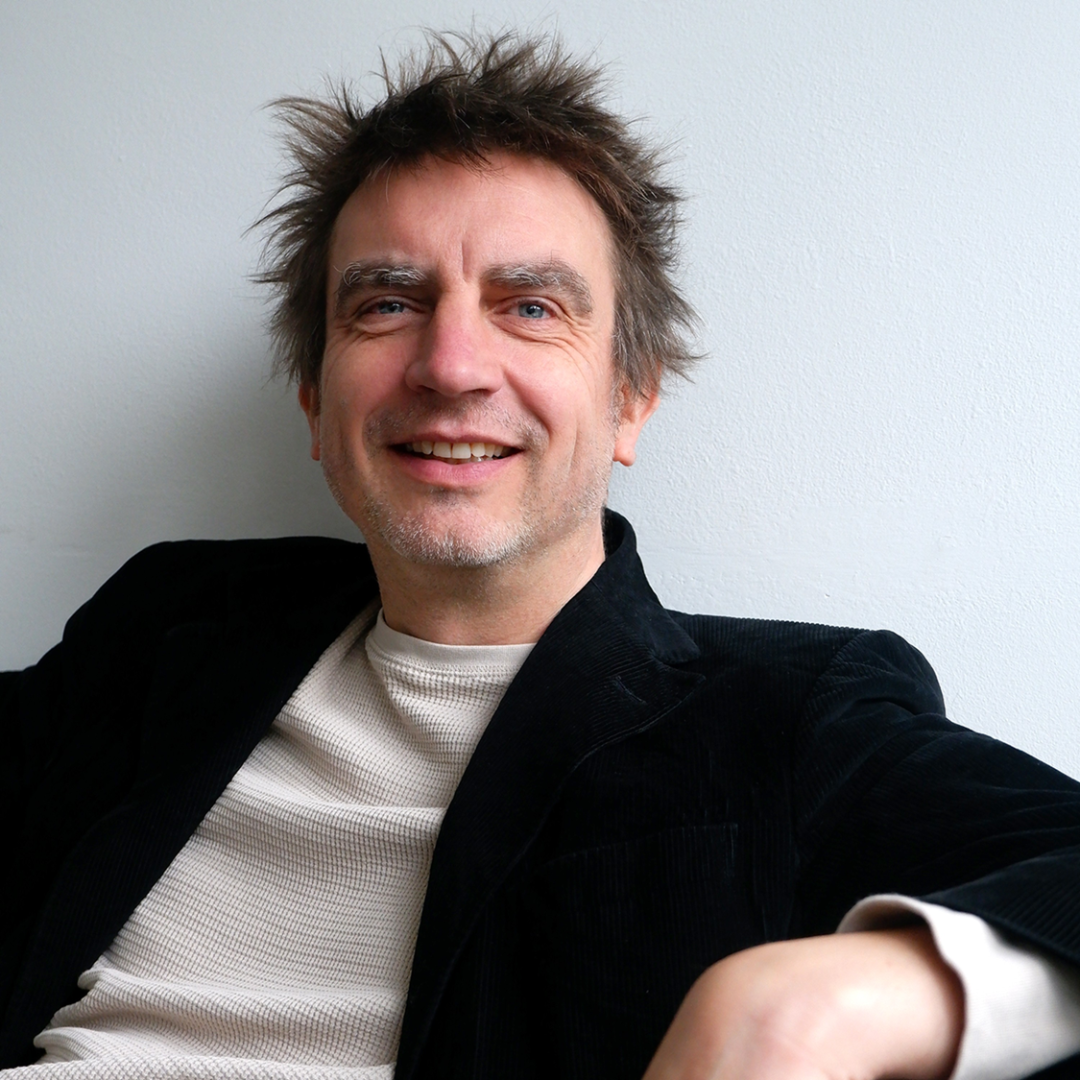
Professor Christopher Summerfield
Research Director at the AI Security Institute
Christopher Summerfield is Fellow by special election and principal investigator at the Summerfield lab which conducts research into how humans make decisions.
Chris Summerfield was trained in psychology and neuroscience at University College London, Columbia University (New York), and the École normale supérieure (Paris). He is Professor of Cognitive Neuroscience in the department of Experimental Psychology, where he heads a lab focussed on understanding the computational mechanisms by which humans make decisions, and how these processes are implemented in the brain. His work, which involves a combination of computer simulations, behavioural testing, and functional brain imaging, is funded by a grants from the European Research Council, the Wellcome Trust, and the National Institute of Health.